
CSMP IAS : India's Premier Coaching Institute for IAS / PCS
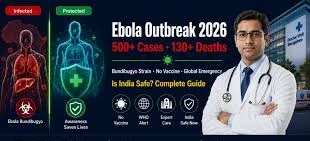
Ebola Virus Outbreak 2026: Bundibugyo Strain in News
Ebola Virus Outbreak 2026: Bundibugyo Strain in News
The Ebola virus is in the news right now because a new outbreak of the rare Bundibugyo strain has been confirmed in the Democratic Republic of Congo (DRC) and Uganda, prompting the World Health Organization (WHO) to declare a Public Health Emergency of International Concern in May 2026. This strain has already caused hundreds of suspected infections and deaths, raising global alarm due to the lack of approved vaccines or treatments.
What is Ebola Virus?
Ebola Virus Outbreak 2026: Bundibugyo Strain in news
- Ebola disease is a severe viral hemorrhagic fever caused by orthoebolaviruses.
- First identified in 1976 near the Ebola River in DRC.
- Case fatality rate: averages around 50%, but varies between 25–90% depending on the strain.
Why It’s in the News (May 2026)
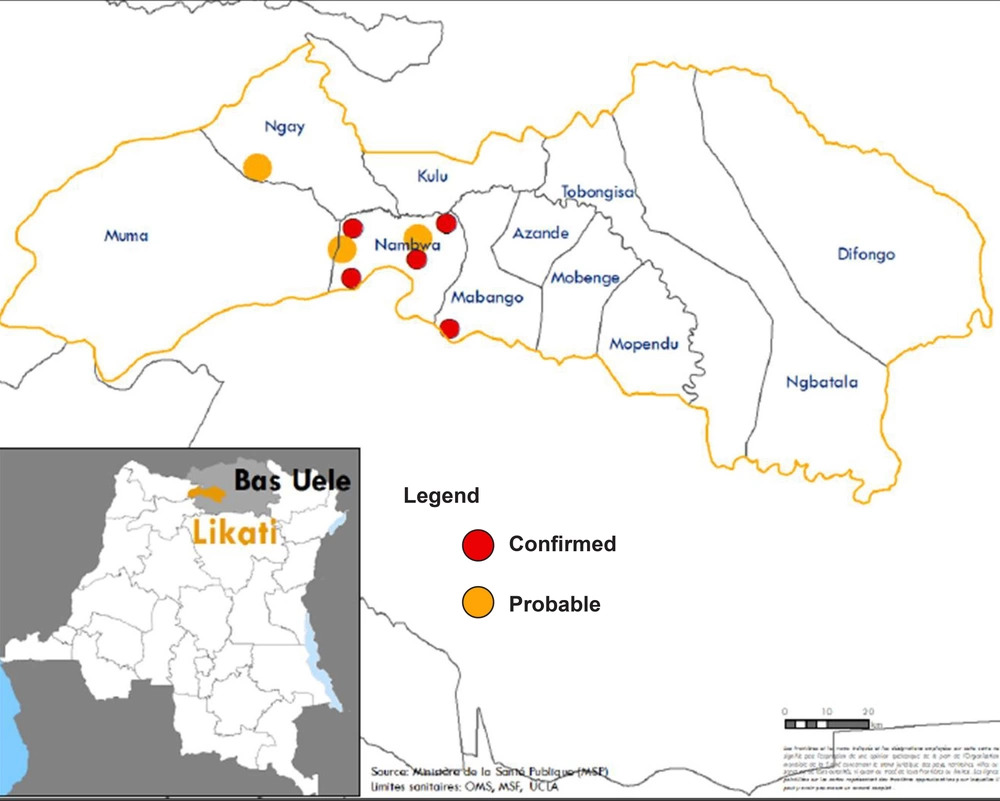
- Outbreak location: Ituri Province (DRC) and cross-border spread to Uganda.
- Strain involved: Bundibugyo ebolavirus (BDBV), less lethal than Zaire strain but still deadly (30–40% fatality rate).
- WHO action: Declared a Public Health Emergency of International Concern on May 18, 2026.
- Cases & deaths: Over 600 suspected cases and 139 suspected deaths reported; confirmed cases in DRC and Uganda.
- International response: CDC and global health agencies mobilized to support containment, surveillance, and treatment.
⚠️ Symptoms & Transmissionhttp://World Health Organization (WHO)
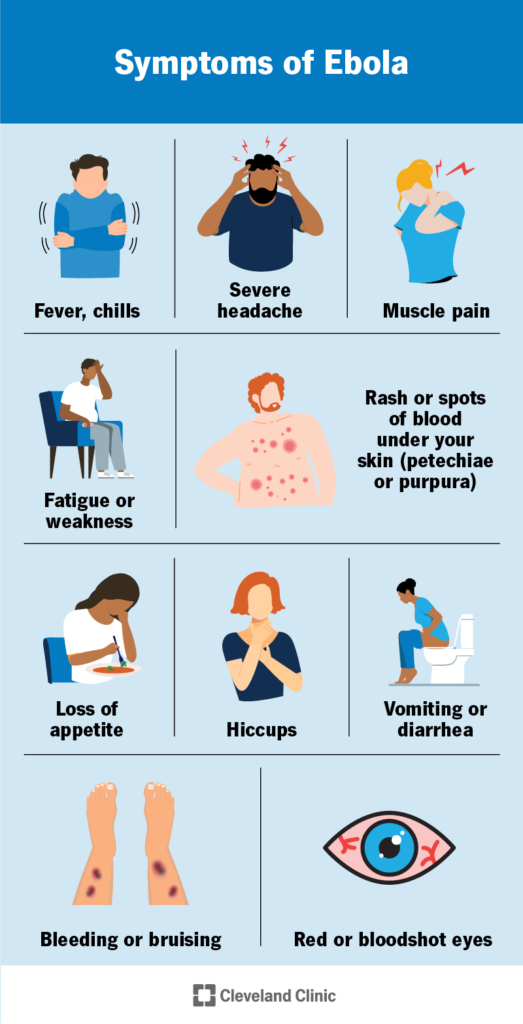
- Early symptoms: fever, fatigue, muscle pain, sore throat.
- this symptoms is common but we have to carefull
- Progression: vomiting, diarrhea, rash, impaired kidney/liver function.
- Severe stage: internal/external bleeding, multi-organ failure.
- Transmission: direct contact with body fluids of infected people or animals (fruit bats, primates). Healthcare workers are at high risk.
💉 Treatment & Vaccines
- Available vaccines: Ervebo® and Zabdeno/Mvabea® protect only against the Zaire strain.
- Bundibugyo strain: No approved vaccines or treatments yet. Experimental therapies (monoclonal antibodies, antivirals) are under trial.
- Supportive care: rehydration, pain management, infection control improve survival chances.
🌍 Global Concerns
- Cross-border spread: confirmed cases in Uganda, raising fears of regional transmission.
- Healthcare worker infections: highlight gaps in infection control.
- Security issues: conflict and displacement in DRC complicate outbreak response.
📊 Quick Comparison of Ebola Strains
| Strain | Fatality Rate | Vaccine Availability | Notable Outbreaks |
|---|---|---|---|
| Zaire | Up to 90% | Yes (Ervebo, Zabdeno/Mvabea) | 2013–2016 West Africa |
| Sudan | ~50% | No approved vaccine | Multiple in Uganda |
| Bundibugyo | 30–40% | No approved vaccine | 2007 Uganda, 2026 DRC/Uganda |
| Taï Forest | Rare, non-fatal | None | Single case in Côte d’Ivoire |
🛡️ Prevention Strategies
- Early detection & reporting Rapid identification of suspected cases and immediate reporting to health authorities helps contain outbreaks before they spread.
- Strengthening border health checks Screening travelers at airports and land borders prevents cross-border transmission, especially in outbreak-prone regions.
- Safe burial practices Training communities in safe burial rituals reduces the risk of transmission from deceased patients.
- Protective equipment for healthcare workers Gloves, masks, gowns, and face shields are essential to protect frontline workers.
- Community awareness campaigns Educating locals about symptoms, transmission, and prevention reduces stigma and encourages early treatment.
- Quarantine & isolation measures Isolating suspected and confirmed cases prevents further spread within communities.
- Animal contact control Limiting exposure to bats and primates — known reservoirs — reduces spillover risk.
- Strengthening infection control in hospitals Proper sterilization, waste disposal, and patient management protocols are critical.
- International collaboration Sharing data, resources, and expertise across countries ensures faster containment.
- Vaccination research & trials Expanding vaccine development beyond the Zaire strain to Bundibugyo and Sudan strains is vital for long-term prevention.
- Safe burial practices: Avoid direct contact with bodies of Ebola victims.
- Protective equipment: Healthcare workers must use gloves, masks, gowns, and face shields.
- Community awareness: Educating locals about symptoms and transmission reduces stigma and delays in treatment.
- Quarantine & isolation: Rapid isolation of suspected cases prevents spread.
- Animal contact control: Limiting exposure to bats and primates reduces spillover risk.🛡️ Prevention Strategies
🌍 Global Response Measures
- WHO emergency declaration: Mobilizes international funding and medical teams.
- Surveillance systems: Tracking cases across borders to prevent silent spread.
- Rapid diagnostic tests: Helps confirm cases quickly in rural areas.
- Experimental therapies: Monoclonal antibodies and antivirals are being tested.
- International aid: NGOs and governments provide medical supplies, training, and logistics.
📜 History of Major Ebola Outbreaks
The Ebola virus has a long and deadly history, first identified in 1976, with repeated outbreaks across Africa — the largest being the 2014–2016 West Africa epidemic that killed over 11,000 people. The current 2026 Bundibugyo strain outbreak in DRC and Uganda is the latest reminder of its recurring threat.
Why History Matters
Understanding the history of Ebola outbreaks helps global health agencies prepare for new epidemics. Lessons from past crises — like the importance of rapid isolation, community trust, and international cooperation — are being applied in the current Ebola Virus Outbreak 2026.
| Year | Location | Strain | Impact |
|---|---|---|---|
| 1976 | DRC & Sudan | Zaire & Sudan | First recorded outbreaks |
| 1995 | Kikwit, DRC | Zaire | 250+ deaths |
| 2000–2001 | Uganda | Sudan | 425 cases |
| 2013–2016 | West Africa | Zaire | Largest outbreak, 11,000+ deaths |
| 2018–2020 | DRC | Zaire | 3,400+ cases |
| 2026 | DRC & Uganda | Bundibugyo | Current outbreak, no vaccine |
🔑 Final Thoughts
The Ebola virus remains one of the world’s most feared pathogens. The 2026 Bundibugyo outbreak highlights the urgent need for new vaccines, stronger health systems, and global solidarity. While past outbreaks taught us painful lessons, they also showed that early detection, community trust, and international cooperation can save thousands of lives.
🇮🇳 Impact on India
- Public Health Preparedness India’s Ministry of Health has issued advisories to airports and hospitals, strengthening screening for travelers from affected countries.
- Travel Restrictions Flights from Uganda and DRC are under strict monitoring. Passengers undergo thermal screening and health declarations at major airports like Delhi and Mumbai.
- Economic Concerns Trade with African nations, especially in pharmaceuticals and agriculture, may face disruptions. Indian companies supplying medicines and vaccines are on alert.
- Medical Research Collaboration Indian scientists are collaborating with WHO and global partners to study the Bundibugyo strain, as India has strong biotech and vaccine manufacturing capacity.
- Diaspora Safety Thousands of Indians live and work in East and Central Africa. The government has issued advisories and is prepared for possible evacuation if the outbreak worsens.
- Global Solidarity Role India, being a major supplier of generic medicines and vaccines, may play a crucial role in supporting African nations with medical supplies and expertise.
🌍 Broader Implications for India
- Strengthening epidemic preparedness after lessons from COVID-19.
- Boosting international credibility by contributing to global health security.
- Highlighting the need for domestic vaccine R&D beyond Zaire strain coverage.
In short, while India is not directly affected by Ebola cases, the Ebola Virus Outbreak 2026 impacts India through health security, trade, diaspora safety, and global responsibility.
🔑 Takeaway
The Bundibugyo Ebola outbreak in Central Africa is a reminder of the persistent threat posed by emerging infectious diseases. With no approved vaccine or treatment for this strain, global health authorities are racing to contain the epidemic through surveillance, supportive care, and experimental therapiesUPPCS Mains Enrichment Program 2026

🧭 Way Forward Strategies
- Strengthen health systems Build resilient hospitals, labs, and rapid response teams in outbreak-prone regions.
- Develop new vaccines Current vaccines only protect against the Zaire strain. Research must expand to Bundibugyo and Sudan strains.
- Invest in diagnostics Portable rapid tests can help rural clinics detect Ebola early and prevent spread.
- Community engagement Trust-building with local communities ensures cooperation with isolation, safe burials, and vaccination drives.
- Cross-border collaboration Since outbreaks often spread across countries, regional coordination is essential.
- Global funding Sustained international investment in epidemic preparedness, not just emergency aid during crises.
- Research into reservoirs Understanding how fruit bats and primates carry Ebola will help prevent spillover events.
🌍 Long-Term Vision
The Ebola Virus Outbreak 2026 is a reminder that infectious diseases don’t respect borders. The way forward lies in:
- Science-driven innovation (vaccines, treatments, diagnostics)
- Policy-driven preparedness (funding, surveillance, emergency declarations)
- Community-driven trust (education, cultural sensitivity, local leadership)
Together, these pillars can transform Ebola from a recurring crisis into a preventable and manageable disease.
Ebola Virus Outbreak 2026 has once again reminded the world of the persistent threat posed by deadly infectious diseases. The Bundibugyo strain, currently spreading in the Democratic Republic of Congo and Uganda, has drawn global attention because no approved vaccine exists for this variant.