
CSMP IAS : India's Premier Coaching Institute for IAS / PCS
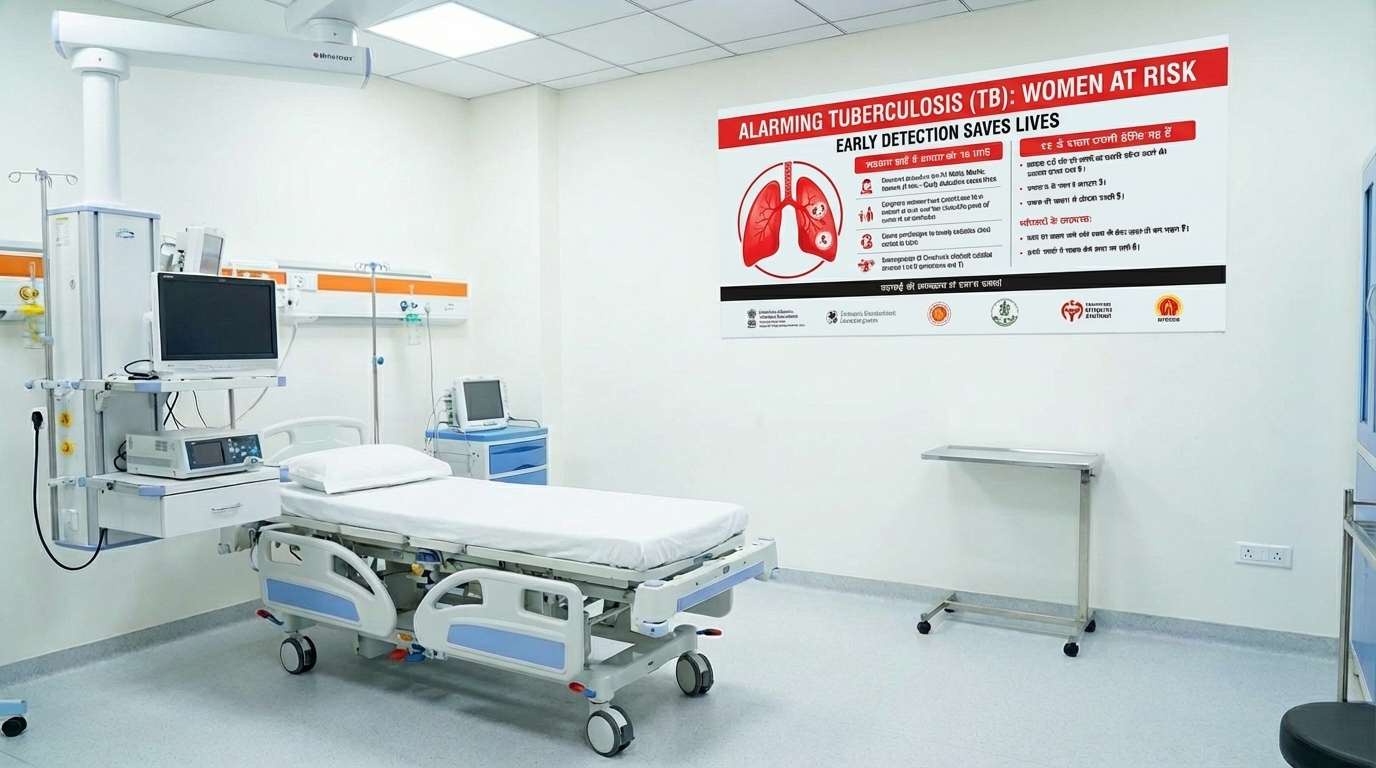
Alarming Tuberculosis (TB): Women at Risk
Introduction: This article discusses the problem of tuberculosis (TB) in India, with a special focus on the challenges faced by women. It explains that although India has made progress in reducing TB cases, women continue to suffer from strong social stigma, delayed diagnosis, poor access to healthcare, and lack of family support. The article highlights how TB affects not only the physical health of women but also their social life, mental well-being, and economic condition. It also presents key data on TB, explains the gaps in diagnosis and treatment, and suggests solutions such as early detection, better nutrition, awareness, and women’s empowerment to effectively control the disease.
Table of Contents
Why in the News?
Tuberculosis (TB) continues to be one of the most serious public health challenges in India. Even though the country has made progress in reducing TB cases, recent reports and personal stories show that the problem is far from over. A major concern that has come into focus is the condition of women suffering from TB. Women in India face not only the disease but also strong social stigma, discrimination, and lack of support.
The story of a young woman shows how a TB diagnosis can completely change a person’s life. She lost her social circle, faced rejection, and now fears that society will not accept her. Such experiences are not rare. Many women in India go through similar struggles. This has brought attention to the need for a gender-sensitive approach in TB prevention, diagnosis, and treatment.
At the same time, data from national and global reports show that India still carries the highest TB burden in the world. Although the incidence rate has declined, the challenges related to diagnosis, treatment, and social acceptance remain serious. This is why TB, especially among women, has become an important issue in the news.
What are the Key Highlights?
- India’s High TB Burden:
- India accounts for more than one-fourth of the global TB cases.
- Around 2.7 million new TB infections were reported in 2024.
- More than 3 lakh people died due to TB in the same year.
- Although the incidence rate has declined by 21% between 2015 and 2024, the total number of cases remains very high.
- Gender Distribution of TB Cases:
- Men account for about 54% of total TB cases.
- Women account for around 35% of cases.
- Children and adolescents form about 11% of the cases.
- Even though fewer women are reported as TB patients, their challenges are more complex.
- Women’s Share in TB Cases in India:
- Women make up around 36–37% of notified TB cases in recent years.
- In 2022, women accounted for about 39.1% of all TB cases in India.
- This share is higher than the global average, showing that Indian women are significantly affected.
- Health-Seeking Behavior:
- Only about 58% of women with TB symptoms seek medical help on time.
- Many women delay treatment because of fear, lack of awareness, or family restrictions.
- Women often hide symptoms like cough, fever, and weakness due to social stigma.
- Diagnosis Gap Between Men and Women:
- Men are more likely to be diagnosed using proper laboratory tests.
- Women are often diagnosed based on symptoms or chest X-rays only.
- The ratio of confirmed TB cases between men and women is about 3:1.
- This shows that many women may remain undiagnosed or misdiagnosed.
- Types of TB and Special Concerns:
- Extrapulmonary TB (EPTB), which affects organs other than lungs, forms about 24% of total cases.
- Women are more likely to suffer from EPTB than men.
- Female genital TB is an emerging concern and can lead to infertility and menstrual problems.
- Government Initiatives:
- The government introduced a gender-responsive TB framework in 2019.
- TB Mukt Bharat Abhiyaan was launched in 2024 to eliminate TB.
- New technologies like AI-based chest X-rays are being used for early detection.
- Special focus is being given to high-risk groups such as elderly people and those with other diseases.
Significance
Public Health Importance
- Tuberculosis continues to be one of the leading infectious diseases in India.
- A high number of cases increases pressure on the healthcare system.
- TB also affects economic productivity as many patients are in the working age group.
Gender Inequality in Healthcare
- Women face more barriers in accessing healthcare than men.
- Social norms and traditions often limit women’s freedom to seek treatment.
- This shows that health problems are closely linked with gender inequality in society.
Impact on Social Life of Women
- TB affects not just the body but also social relationships.
- Women may face rejection from family, friends, and community.
- Marriage prospects are often negatively affected.
- Many women feel isolated and lose confidence after diagnosis.
Economic Impact on Women
- Women often depend on family members for financial support.
- If they are abandoned, they struggle to afford treatment.
- Loss of work and income adds to their difficulties.
Importance of Early Diagnosis
- Early detection of TB can save lives and reduce spread.
- Delayed diagnosis leads to severe illness and complications.
- It also increases the chances of drug-resistant TB.
Role of Nutrition in TB
- Proper nutrition is very important for preventing and treating TB.
- Women in India often suffer from undernutrition and anaemia.
- Poor nutrition weakens immunity and increases risk of infection.
Mental Health Concerns
- TB patients, especially women, face emotional stress and depression.
- Social isolation and stigma worsen mental health conditions.
- Mental health support is an important but neglected part of TB care.
Need for Gender-Sensitive Policies
- TB policies must consider the specific needs of women.
- Without addressing gender issues, TB elimination will not be successful.
- Women’s empowerment is essential for better health outcomes.
Challenges
Social Stigma and Discrimination
- TB is still seen as a shameful disease in many communities.
- Women are more affected by stigma than men.
- They may be isolated, rejected, or abandoned by family members.
- Fear of social rejection prevents women from seeking treatment.
Delayed Diagnosis
- Women often ignore or hide their symptoms.
- Symptoms like fatigue and mild fever are not taken seriously.
- Doctors may also fail to detect TB early in women.
- This leads to advanced stages of disease by the time of diagnosis.
Misdiagnosis and Underdiagnosis
- Women are less likely to undergo proper diagnostic tests.
- Reliance on symptom-based diagnosis increases chances of error.
- Many cases of TB in women remain undetected.
Lack of Decision-Making Power
- Women often do not have control over their own health decisions.
- They depend on male family members for permission and money.
- This delays or prevents access to treatment.
Poor Nutrition and Health Status
- Women often eat last and least in many households.
- High levels of anaemia and malnutrition are common.
- This weakens their immunity and increases TB risk.
Limited Access to Healthcare Services
- Women face mobility restrictions and lack of transport.
- Healthcare facilities may be far from rural areas.
- Lack of awareness about TB services also limits access.
Challenges in Diagnosing Extrapulmonary TB
- EPTB does not show clear symptoms like lung TB.
- It affects organs such as lymph nodes, bones, and reproductive system.
- Diagnosis requires advanced tests, which are not widely available.
Treatment Disruptions
- Women may stop treatment due to pregnancy or fear of side effects.
- Household responsibilities reduce their ability to continue treatment.
- Irregular treatment can lead to drug-resistant TB.
Mental Health Issues
- TB patients often feel fear, shame, and loneliness.
- Women face higher emotional stress due to social pressure.
- Lack of counselling services makes the situation worse.
Post-TB Health Problems
- Many patients suffer from long-term lung damage after treatment.
- Conditions like chronic cough and breathlessness continue.
- Women may not receive proper follow-up care.
Lack of Awareness Among Healthcare Providers
- Doctors may not be fully trained to identify TB in women.
- Female-specific forms like genital TB are often overlooked.
- Lack of updated training affects quality of care.
Way Forward
Reducing Social Stigma
- Awareness campaigns should be conducted at community level.
- Information about TB being curable should be spread widely.
- Community leaders and local groups should support patients.
Promoting Early Diagnosis
- Encourage women to report symptoms early.
- Use advanced diagnostic tools like molecular testing and AI-based screening.
- Increase screening in high-risk populations.
Empowering Women
- Improve women’s access to education and health information.
- Provide financial support for TB treatment.
- Strengthen self-help groups and community networks.
Improving Nutrition Support
- Provide free or subsidised nutritious food to TB patients.
- Focus on pregnant women and adolescent girls.
- Link TB programs with nutrition schemes.
Expanding Healthcare Access
- Strengthen primary healthcare centres in rural and urban areas.
- Use mobile clinics to reach remote areas.
- Increase the number of trained community health workers.
Better Management of Extrapulmonary TB
- Train doctors to identify non-lung TB early.
- Expand diagnostic facilities at district and local levels.
- Increase awareness about symptoms of EPTB.
Ensuring Treatment Continuity
- Provide regular follow-up and monitoring of patients.
- Offer counselling to patients and families.
- Use digital tools to track treatment adherence.
Strengthening Mental Health Support
- Include counselling services in TB programs.
- Create support groups for TB patients.
- Engage TB survivors to guide and support others.
Addressing Post-TB Care
- Provide long-term care for patients after treatment completion.
- Treat post-TB lung diseases effectively.
- Monitor patients regularly to prevent complications.
Capacity Building of Healthcare Workers
- Provide regular training on TB diagnosis and treatment.
- Focus on gender-sensitive care.
- Update healthcare providers with the latest guidelines and technologies.
Conclusion
Tuberculosis in India reflects deeper social and economic inequalities, especially for women. Addressing the disease requires more than medical treatment. It requires building a system that ensures dignity, equality, and access for all. A balanced approach that combines healthcare, awareness, and social support can help create a future where no woman suffers silently due to TB.
Relevant Articles:
- Lok Sabha Approves 2026-27 Agriculture Budget
- India’s West Asia Policy Reset
- Supreme Court Allows Passive Euthanasia in Harish Rana Case
Also Read:
- AHAAR–L Framework: Comprehensive Counter-Terror Strategy for India
- India – France Special Global Strategic Partnership
World Tuberculosis (TB) Day – 2025