
CSMP IAS : India's Premier Coaching Institute for IAS / PCS
Supreme Court Allows Passive Euthanasia in Harish Rana Case
Introduction : The issue of euthanasia and end-of-life decisions has become an important subject of legal, ethical, and medical debate in modern healthcare systems. Recently, the Supreme Court of India permitted passive euthanasia for Harish Rana, a man who has remained in a coma for more than twelve years. The decision has once again highlighted the balance between the preservation of life and the right to die with dignity. It also reflects the evolving legal framework in India regarding patient autonomy, palliative care, and constitutional rights under Article 21.
Table of Contents
Why in the News?
- The Supreme Court of India has allowed passive euthanasia in the case of Harish Rana, a 32-year-old man who has been in a coma for more than 12 years.
- The Court permitted the withdrawal of artificial life support for him.
- The decision follows the legal framework established in the Common Cause v. Union of India.
- The order was passed by a bench consisting of:
- J. B. Pardiwala
- K. V. Viswanathan
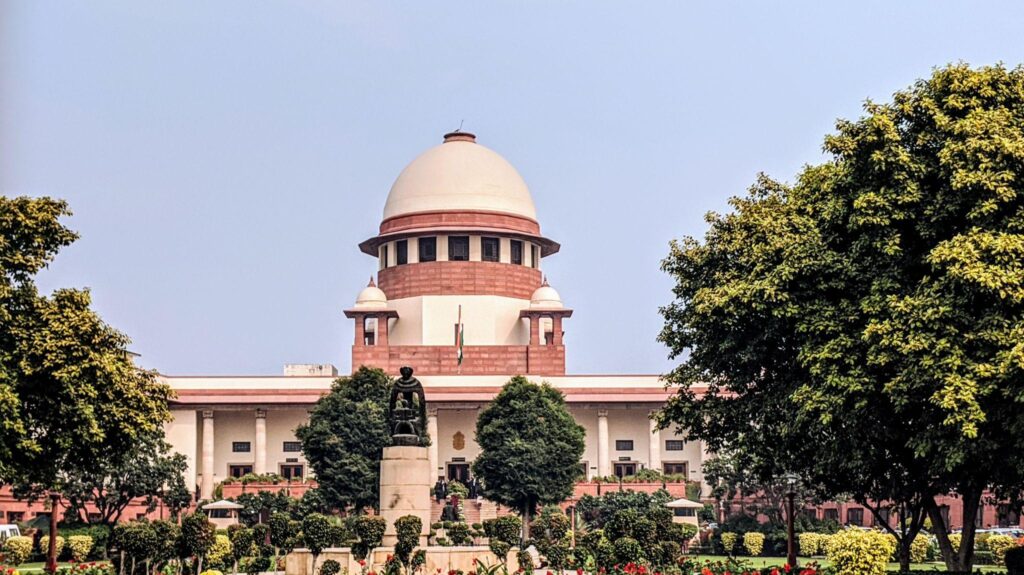
- The Court directed the hospital All India Institute of Medical Sciences, New Delhi to admit the patient to palliative care before withdrawing treatment.
What are the Key Highlights?
Case Background
- Harish Rana
- A student of Panjab University.
- He suffered serious head injuries in 2013.
- The injuries occurred after he fell from the fourth floor of his paying guest accommodation in Ghaziabad.
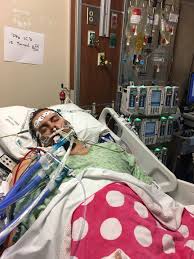
- Since the accident, he has remained in a coma for more than 12 years.
- Medical Condition
- Doctors reported that he is in a vegetative state.
- A primary medical board examined him.
- A secondary medical board also reviewed his medical condition.
- Both boards concluded that the chance of recovery is extremely low.
Court’s Decision
- The Court permitted withdrawal of artificial life support.
- It directed that the withdrawal should happen through a carefully designed plan.
- The aim is to ensure:
- Dignity
- Comfort
- Palliative medical support
Role of Palliative Care
- Palliative care means medical care that focuses on:
- Reducing pain
- Improving comfort
- Providing emotional and psychological support
- It does not aim to cure the disease, but to improve the quality of life for a seriously ill patient.
Important Concepts and Key Terms
Passive Euthanasia
- Passive euthanasia means allowing a person to die naturally by stopping or not starting life-support treatment.
- Key features:
- Doctors withdraw or withhold treatment that keeps a patient alive.
- The aim is to avoid prolonged suffering.
- Death happens naturally due to the underlying disease or condition.
- Examples:
- Turning off a ventilator.
- Stopping artificial feeding tubes.
- Not giving aggressive life-saving treatment.
- It is different from active euthanasia.
Active Euthanasia
- Active euthanasia means deliberately causing death using drugs or injections.
- Example:
- Giving a lethal injection to end a patient’s life.
- Legal status:
- Illegal in India.
Coma
- A coma is a deep state of unconsciousness.
- Characteristics:
- The patient cannot wake up.
- The patient cannot respond to surroundings.
- Brain activity is very limited.
Vegetative State
- A vegetative state is different from a coma.
- Features:
- The patient may open eyes or move slightly.
- But the patient has no awareness of surroundings.
- Recovery chances are usually very low after long periods.
Artificial Life Support
- Artificial life support refers to machines or treatments that keep a person alive.
- Examples:
- Ventilator for breathing.
- Feeding tubes for nutrition.
- Life-support medications.
Advance Medical Directives (Living Will)
- An Advance Medical Directive is a written instruction by a person about their medical treatment in the future.
- It is also called a living will.
- Purpose:
- To state whether a person wants life support in case of terminal illness or vegetative state.
- Example:
- A person may write that if they are permanently unconscious, doctors should not continue artificial life support.
Legal Background of Passive Euthanasia in India
2018 Landmark Judgment
- In 2018, the Supreme Court of India delivered a historic judgement in Common Cause v. Union of India.
- Key rulings:
- Passive euthanasia is legal in India.
- The right to die with dignity is part of the Right to Life under Article 21 of the Constitution of India.
- People can create Advance Medical Directives.
2023 Modification of Guidelines
- In January 2023, the Supreme Court simplified the euthanasia procedure.
- Changes included:
- Reducing bureaucratic steps.
- Making the process faster and easier.
- Allowing hospitals to make decisions based on medical board opinions.
Medical Boards Requirement
- The guidelines require two expert committees:
- Primary Medical Board
- Doctors who directly examine the patient.
- Secondary Medical Board
- Independent doctors who confirm the findings.
- This system prevents misuse or wrongful decisions.
What are the Significance?
Protection of Human Dignity
- The decision recognises that human dignity must be preserved even at the end of life.
- Keeping a patient alive artificially for years without hope of recovery can cause:
- Emotional suffering
- Financial burden
- Loss of dignity
Strengthening Article 21
- The ruling strengthens Article 21 of the Constitution of India.
- Article 21 guarantees:
- Right to life
- Right to live with dignity
- The Court clarified that dignity also applies to the process of dying.
Clarity for Doctors and Hospitals
- Doctors earlier feared legal consequences for withdrawing life support.
- Clear guidelines now provide:
- Legal protection
- Ethical direction
Support for Families
- Families of patients in long-term vegetative states often face:
- Emotional pain
- Huge medical expenses
- The ruling provides a legal and humane solution.
Development of End-of-Life Ethics
- The decision encourages discussion on:
- Medical ethics
- Patient autonomy
- End-of-life decision making
Challenges
Ethical and Moral Concerns
- Some people believe life should be preserved under all circumstances.
- Religious and moral beliefs may oppose euthanasia.
Risk of Misuse
- There is a fear that:
- Families may misuse euthanasia to gain property or financial benefits.
- Vulnerable patients may be pressured.
Lack of Awareness
- Many citizens do not know about:
- Living wills
- Advance medical directives
Weak Palliative Care System
- India has limited palliative care facilities.
- Many hospitals lack trained specialists.
Medical Infrastructure Limitations
- Smaller hospitals may not have:
- Ethics committees
- Multiple expert doctors required for medical boards.
Way Forward
Strengthening Legal Safeguards
- Strict verification systems should be maintained.
- Independent medical boards must carefully review each case.
Promoting Awareness of Living Wills
- Government should educate people about:
- Advance medical directives
- Their legal rights in medical decisions.
Expanding Palliative Care Services
- Hospitals should establish specialized palliative care units.
- Doctors should receive training in end-of-life care.
Ethical Guidelines for Doctors
- Medical councils should develop clear ethical guidelines.
- Doctors must be trained in communication with families.
Strengthening Hospital Ethics Committees
- Every major hospital should have a medical ethics committee.
- These committees should help in sensitive end-of-life decisions.
Conclusion
The decision reflects the evolving understanding that healthcare must balance life preservation, dignity, and compassion. By creating legal clarity and ethical safeguards, the judgment moves India toward a more humane approach to complex medical situations where recovery is nearly impossible.
- FCRA Amendment Bill 2026 Controversy: Rising Concerns Over NGO Control in India
- Nuclear Fusion Cost Crisis: Overestimated Experience Rate Raises Investment Risks
- RBI Guidelines on Insurance Mis-selling: Fixing Commission-Driven Fraud in India
- ISRO Mission MITRA Boosts Gaganyaan Programme with High-Altitude Human Space Research
- INS Aridhaman Boosts India Nuclear Triad Power and Maritime Strength


Excellent Article