CSMP IAS : India's Premier Coaching Institute for IAS / PCS
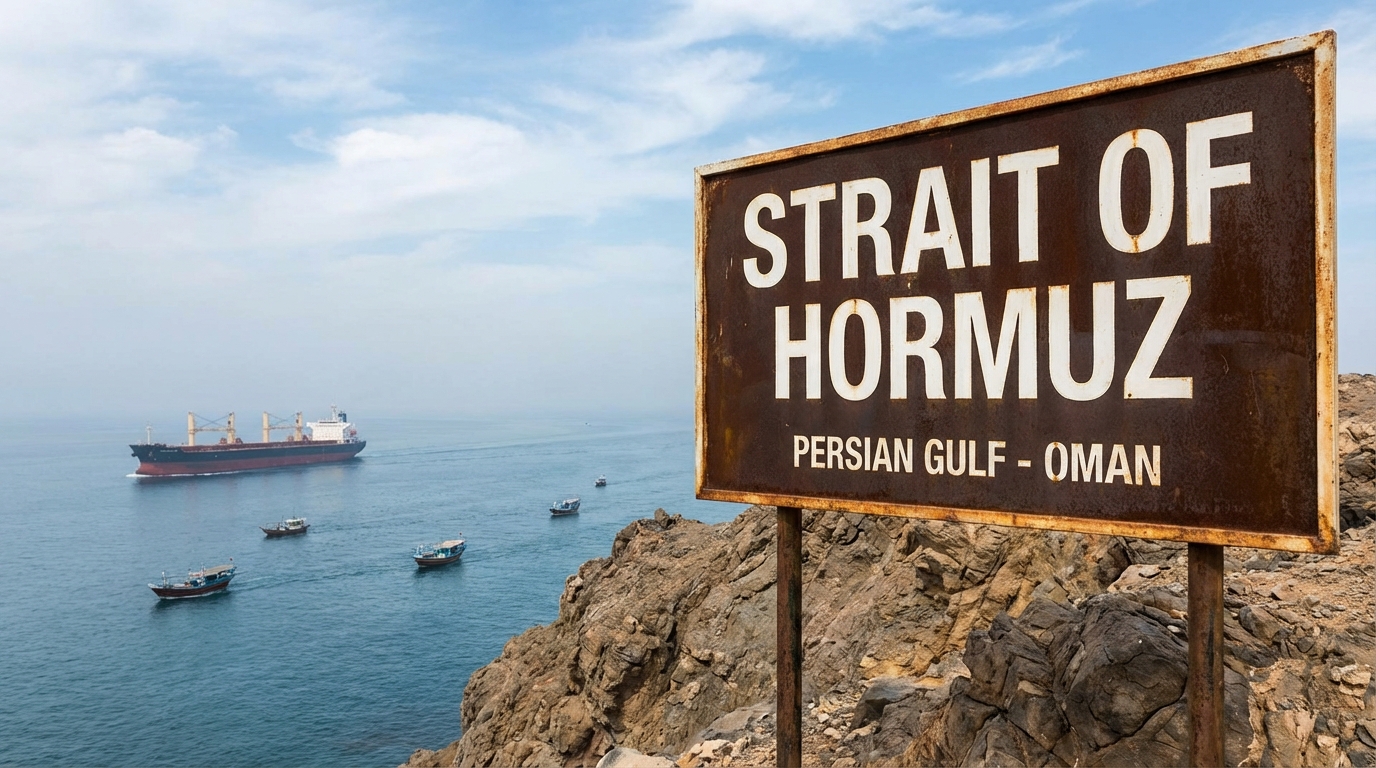
Strait of Hormuz Crisis
The Strait of Hormuz Crisis has become a major global concern as rising tensions in West Asia disrupt one of the world’s most critical shipping routes. With nearly 20% of global oil and gas passing through this narrow passage, any disruption can severely impact energy supply and prices worldwide. The recent decline in ship traffic and rising security threats have increased fears of an oil supply shock. For India, which depends heavily on this route for its oil and LNG imports, the Strait of Hormuz Crisis poses serious risks to energy security, economic stability, and essential sectors like agriculture and industry.
Table of Contents
Why in the News?
- The Strait of Hormuz, one of the most important sea routes in the world, is facing a serious disruption in shipping.
- Tensions increased after military attacks between the United States, Israel, and Iran.
- As a result, ship traffic in the strait has reduced by almost 95%.
- Nearly 600 ships are stranded in the region.
- This situation is creating fear about global oil supply disruption and increase in crude oil prices.
- The crisis is particularly important for India, because about 40% of India’s oil imports pass through this strait.
What are the Key Highlights?
- The Strait of Hormuz is only about 33 kilometres wide at its narrowest point.
- It lies between Iran, Oman, and the United Arab Emirates.
- It connects the Persian Gulf with the Gulf of Oman, and further with the Arabian Sea.
- More than 20% of the world’s oil and gas shipments pass through this strait.
- Oil exporting countries such as Saudi Arabia, Qatar, Kuwait, Iraq, and Iran depend on this route.
- Many ships have faced attacks, which has increased the risk and insurance cost of shipping.
- Insurance costs for ships passing through the strait have increased 10–15 times.
- Around 250 bulk carriers, 200 oil tankers, and 50 gas carriers are currently stranded in the region.
What is the Significance?
Strategic Maritime Chokepoint
- The Strait of Hormuz is one of the most important maritime chokepoints in the world.
- A chokepoint is a narrow passage through which a large amount of global trade must pass.
- If such a passage is blocked, global trade and energy supply are disrupted.
Example:
- About one-fifth of the world’s oil supply moves through this strait.
Gateway for Persian Gulf Energy
- The strait acts as the main exit route for oil and gas from the Persian Gulf.
- Oil from major producers like Saudi Arabia, Iraq, and Kuwait passes through this route to global markets.
- Any disruption in the strait can affect the global energy supply chain.
Importance for India’s Energy Security
- Nearly 40% of India’s oil imports pass through the Strait of Hormuz.
- About half of India’s liquefied natural gas (LNG) imports come from Qatar.
- LNG is used in:
- cooking gas
- electricity generation
- industries
- fertilizer production
- Therefore, disruption in the strait can directly affect India’s economy and energy availability.
Role in Global Maritime Trade Network
- The strait is part of a wider global network of shipping chokepoints such as:
- Strait of Malacca
- Bab el-Mandeb Strait
- Suez Canal
- Panama Canal
- Bosphorus Strait
- Dardanelles Strait
- These chokepoints control the movement of energy, goods, and raw materials across continents.
Geopolitical Leverage for Iran
- The Iran views the strait as an important strategic leverage.
- By threatening to close or disrupt the strait, Iran can create pressure on global powers.
- Iran has used this strategy earlier during the Iran‑Iraq War in the 1980s.
Challenges
Rising Risk to Global Shipping
- Ships travelling through the Strait of Hormuz face missile attacks and security threats.
- Many ships have stopped using the route due to fear of damage.
Sharp Increase in Shipping Insurance
- Insurance companies have increased war-risk premiums.
- Ship owners must now pay extremely high insurance costs for passing through the region.
Limited Alternative Routes
- Some oil can be transported through pipelines to the Red Sea.
- However, ships must then pass through the Bab el-Mandeb Strait, where attacks by the Houthi movement have occurred.
Energy Supply Risks for India
- A disruption can affect imports of:
- crude oil
- LNG
- LPG
- Around 60% of India’s LPG imports come from regions connected to the strait.
Impact on Fertilizer Production
- About 30% of India’s natural gas is used for fertilizer production.
- Natural gas is used to produce ammonia, which is needed to make fertilizers like urea.
- If gas supply falls, fertilizer production may decline.
Increase in Global Oil Prices
- Oil prices depend on supply and demand.
- If supply from the Persian Gulf decreases, global prices rise.
- The global oil benchmark Brent crude oil may increase sharply.
Way Forward
Strengthening Naval Security
- Countries can deploy naval forces to escort merchant ships.
- The Indian Navy may escort Indian vessels to ensure safe passage.
Diversification of Energy Sources
- India should diversify its energy imports.
- Alternative suppliers include:
- United States
- Russia
- Australia
Strategic Petroleum Reserves
- Countries should maintain strategic oil reserves to deal with supply disruptions.
- These reserves act as a buffer during crises.
Strengthening Maritime Diplomacy
- Cooperation between naval forces and international organisations can improve maritime security.
- Diplomatic engagement can reduce tensions in the region.
Increasing Domestic Energy Production
- India can invest more in:
- renewable energy
- biofuels
- domestic natural gas production
- This will reduce dependence on imported energy.
Conclusion
The crisis highlights how narrow sea routes can influence the stability of the global economy. It also shows the deep connection between geopolitics, maritime security, and energy supply. Strengthening strategic preparedness and diversifying energy sources will be essential for countries to remain resilient during such global disruptions.
Relevant Articles:
AgriPV in India: Powerful Solar Farming Revolution Unlocks Farmer Growth
India LNG Crisis: West Asia Conflict Threatens Fertilizer Supply
Ayurveda Global Expansion: Budget 2026 & India–EU FTA Unlock Massive Opportunities
Read Also:
Mahad Satyagraha and the Fight for Equality
Strait of Hormuz Crisis and Global Energy Shock
Alarming Tuberculosis (TB): Women at Risk