
CSMP IAS : India's Premier Coaching Institute for IAS / PCS
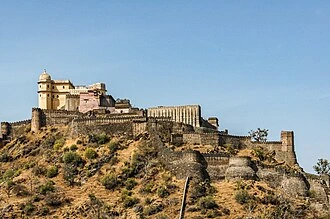
Kumbhalgarh Fort Wall Secures Global Record 2nd Position in the world
UNESCO survey (2026) confirmed its ranking as the second longest intact wall globally.Rajasthan Tourism has already launched new campaigns in 2026 to market the fort as the “Great Wall of India
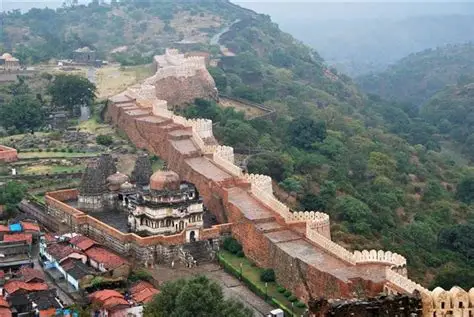
Kumbhalgarh Fort ;Kumbhalgarh Fort in Rajasthan is in the news because UNESCO survey (2026) has officially recognized its 36 km-long defensive wall as the world’s second longest continuous intact wallafter the Great Wall of China. This global recognition highlights its engineering marvel and boosts heritage tourism campaigns launched in May 2026
Why It’s in News
The wall of Kumbhalgarh Fort, located in Rajsamand district of Rajasthan and often called the “Great Wall of India,” has been recognized in a UNESCO survey as the world’s second longest continuous (intact) wall
- Rajasthan tourism campaigns launched to promote the fort internationally.
- Satellite mapping projects revised global rankings of ancient fortifications.
Key Highlights of Kumbhalgarh Fort
- Military Strength: Nearly impregnable; fell only once due to treachery when supplies were cut off.
- UNESCO Recognition: Already part of the Hill Forts of Rajasthan World Heritage Site (since 2013), but now specifically acknowledged for its massive wall length.
- Cultural Significance: Birthplace of Maharana Pratap; houses 360+ temples (300 Jain, 60 Hindu).
- Tourism Campaigns: Rajasthan authorities launched new initiatives in May 2026 to promote conservation and attract global visitors.
- Location: Kumbhalgarh Fort is located in the Rajsamand district of Rajasthan and is situated in the Aravalli Hills. as we know Kumbhalgarh” literally means “Kumbha’s Fort” Thanks to UNESCO’s recognition, the fort now stands as a global heritage symbol, ensuring that its legacy will be safeguarded for centuries to come.
Kumbhalgarh Fort: UNESCO Recognizes the “Great Wall of India
Etymology
The name Kumbhalgarh derives from Rana Kumbha (r. 1433–1468), the Mewar ruler who commissioned the construction of the fort in the 15th century. The suffix “-garh” is a common Indo-Aryan term meaning “fort” (from Sanskrit gṛha or durga), hence “Kumbhalgarh” literally means “Kumbha’s Fort”.[9] The region around the fort gradually adopted the same name due to the prominence of the structure and its founder.
Conservation Challenges
- Structural decay due to age and weather.
- Tourism pressure risks damaging sensitive areas.
- UNESCO guidelines call for regulated access and community involvement
http://Wikipedia https://en.wikipedia.org › wiki › Kumbhalgar
Why This Matters for UPSC Preparation
- Art & Culture (GS I): Demonstrates India’s architectural heritage and UNESCO’s role in cultural preservation.
- International Relations (GS II): Recognition boosts India’s soft power and tourism diplomacy.
- Economy (GS III): Tourism potential linked to Rajasthan’s forts contributes to local development.
- Ethics & Essay: Symbol of resilience and heritage conservation, useful for essay themes like “Preserving India’s Cultural Legacy.
Conclusion
Kumbhalgarh Fort’s recognition as the world’s second longest wall is more than just a record — it is a reminder of India’s rich architectural legacy and the need to preserve it for future generations. As Rajasthan gears up to welcome global visitors, the fort stands tall as a symbol of resilience, heritage, and pride
Comparison with the Great Wall of China
| Feature | Kumbhalgarh Fort | Great Wall of China |
|---|---|---|
| Length | ~36 km | ~21,196 km |
| Width | 15–25 feet | 15–30 feet |
| Built | 15th century | 7th century BCE onwards |
| Purpose | Rajput defense | Imperial defense |
| UNESCO Status | Hill Forts of Rajasthan (2013) | World Heritage Site (1987 |
What is UNESCO?
- UNESCO was founded in 1945, headquartered in Paris, France.
- It has 194 Member States and works globally to foster collaboration across nations.
- Its mission is to build peace by promoting education, science, culture, and communication as universal values.UNESCO recognition and its global importance.
Key Areas of Work
- Education: Coordinates the global Education 2030 Agenda, focusing on inclusive and quality education (SDG 4).
- Science: Supports research in water management, oceanography, climate change, and sustainable development.
- Culture: Protects cultural heritage through World Heritage Sites, intangible heritage lists, and biosphere reserves.
- Communication: Promotes freedom of expression, media development, and access to information.
UNESCO World Heritage Program

- Established in 1972, it identifies and protects sites of outstanding universal value.
- India has 42 World Heritage Sites, including Taj Mahal, Jaipur City, and Kumbhalgarh Fort.
- Recognition brings global prestige, tourism growth, and conservation support.
📊 UNESCO & the UN Sustainable Development Goals (SDGs)
UNESCO contributes to several SDGs:FAQs & Preparation Tips
- SDG 4: Quality education
- SDG 5: Gender equality
- SDG 6: Clean water and sanitation
- SDG 9: Innovation and infrastructure
- SDG 14 & 15: Oceans and biodiversity protection
⚠️ Challenges UNESCO Faces
- Funding gaps: Relies on contributions from member states.
- Political tensions: Heritage listings sometimes spark disputes.
- Conservation pressures: Tourism and climate change threaten protected sites.
Takeaway
Kumbhalgarh Fort, often called the “Great Wall of India”, is now globally recognized for its massive fortification wall. This renewed spotlight not only cements its place in world heritage but also emphasizes the urgent need for sustainable tourism and conservation.http://pfbr